RAK Outdoor Cavity Band-Pass Filter Datasheet
Overview
Description
The RAK Outdoor Cavity Band-Pass Filter is an RF accessory designed to improve LoRaWAN gateway performance in high-interference environments. It passes only the target LoRa frequency band while attenuating out-of-band signals, including LTE, 5G, radar, and industrial noise, by more than 75 dB at the antenna input.
Based on a high-Q resonant cavity design, the filter provides precise band isolation with low insertion loss (2.0 to 3.2 dB, model dependent), preserving LoRa link budget while suppressing interference that would otherwise degrade gateway receiver sensitivity and packet delivery rates.
Features
- High out-of-band rejection: >75 dB attenuation to suppress LTE, 5G, radar, and other signals, protecting gateway receiver sensitivity and reducing packet loss in noisy RF environments.
- Low insertion loss: 2.0–3.2 dB (model dependent), helping preserve LoRa signal strength and overall link budget performance.
- Easy integration: Standard N-Female connectors enable direct integration with compatible LoRaWAN gateways without additional adapters.
- Rugged enclosure design: IP67-rated aluminum alloy enclosure suitable for indoor and outdoor gateway deployments.
- Wide regional support: Available for EU868, US915, IN865, RU864, AU915, KR920, AS923-1/2/3/4, and CN470 frequency plans.
Typical Applications
- Urban rooftop deployments where dense LTE/5G infrastructure creates high ambient RF noise.
- Industrial environments located near machinery, radar systems, or high-power RF emitters.
- Smart city infrastructure where gateways serve large sensor networks and uptime is critical.
- High-density IoT networks where maximizing gateway sensitivity directly impacts coverage range and reliability.
Specifications
Interfaces
The band-pass filter provides the following interfaces:
| Name | Description |
|---|---|
| N-Female Connector (Port 1) | Connects the filter to the LoRa gateway via RF coaxial cable. |
| N-Female Connector (Port 2) | Connects the filter to the external LoRa antenna. |
| Ground Pad | Provides connection to earth ground for ESD and surge protection. Strongly recommended. |
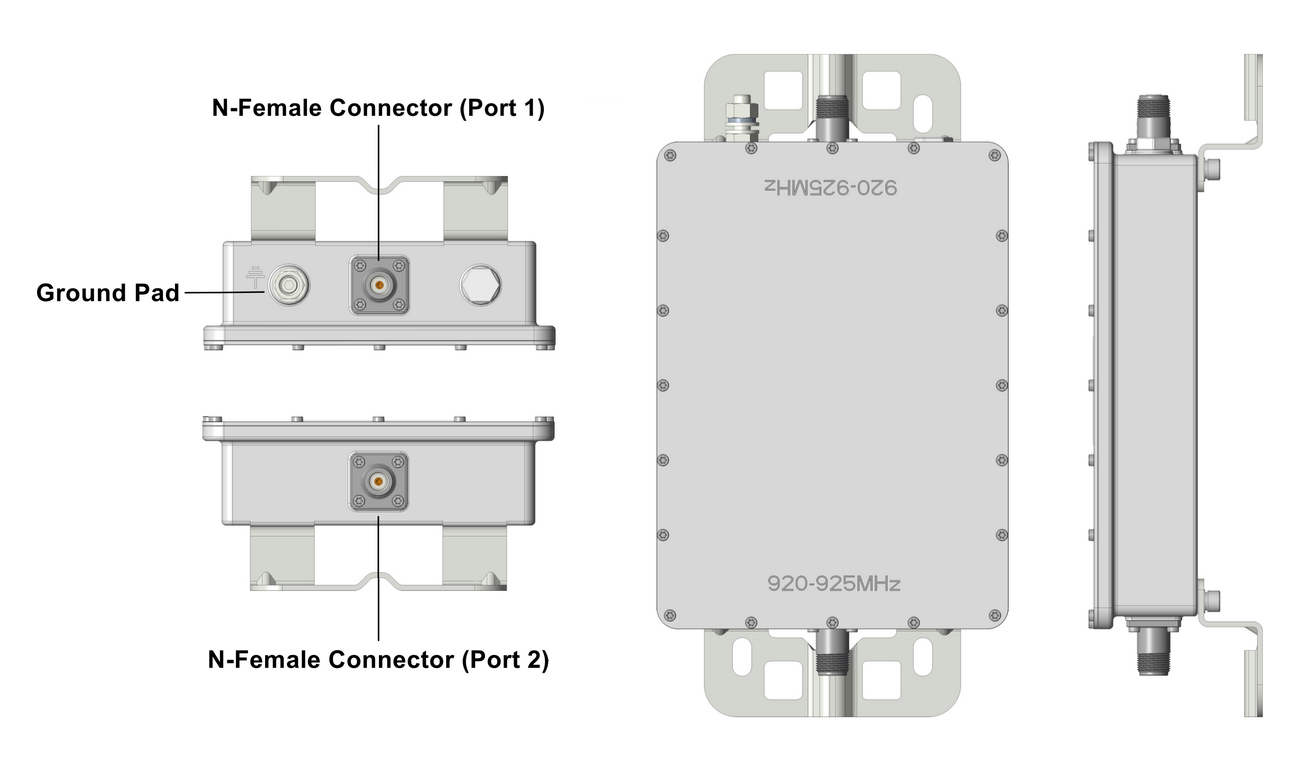 Figure 1: Band-pass filter interfaces
Filter Variants and Specifications
Select the appropriate cavity band-pass filter based on your LoRaWAN regional frequency band. Each variant provides optimized out-of-band rejection and low insertion loss for specific regional deployments
| Variant | Band (MHz) | Insertion Loss (dB) | Rejection (dB) | Dimensions (mm) | Weight (kg) | LoRaWAN Region |
|---|---|---|---|---|---|---|
| BPF01 | 470–510 | < 2.5 | > 75 | 280 × 170 × 75 | 3.6 | CN470 |
| BPF03 | 863–870 | < 2.5 | > 75 | 228 × 164.6 × 51.5 | 1.5 | EU868, RU864 |
| BPF04 | 865–867 | < 3.2 | > 80 | 250 × 170 × 55 | 3 | IN865 |
| BPF05 | 902–928 | < 2.0 | > 75 | 270 × 170 × 55 | 3 | US915 |
| BPF06 | 915–921 | < 2.5 | > 75 | 250 × 170 × 55 | 3 | AS923-3, AS923-4 |
| BPF07 | 915–928 | < 2.6 | > 75 | 250 × 170 × 55 | 3 | AU915, AS923-1 |
| BPF08 | 920–925 | < 2.85 | > 80 | 228 × 164.6 × 51.5 | 1.5 | AS923-2, KR920 (Hong Kong, Macao, Taiwan, Singapore, Thailand, etc.) |
Detailed specifications for each filter variant are provided in the following sections, including its LoRaWAN region, electrical and mechanical parameters, and a typical frequency response curve.
BPF01 (470–510 MHz)
- LoRaWAN Region: CN470
BPF01 Electrical Specifications
| Parameter | Specification |
|---|---|
| Pass Band (MHz) | 470~510 |
| Insertion Loss (dB) | < 2.5 (470~510 MHz) |
| Stop Band Attenuation (dB) | > 75 (0~465 MHz) 75 (515~2000 MHz) |
| VSWR | < 1.25 |
| Input Power (W) | < 100 |
| Intermodulation Products (dBm) | < -150 (3rd order, with 2 x 37 dBm) |
| Operating Temperature (° C) | -40 to +65 |
| IP Rating | IP67 |
| Deployment Environment | Outdoor |
| Connector | N-Female |
BPF01 Mechanical Specifications
| Parameter | Specification |
|---|---|
| Filter Dimensions (H x W x D) (mm) | 280 x 170 x 75 (without connector, without mounting brackets) |
| Packing Dimensions (mm) | 450 x 325 x 190 (double unit) |
| Filter Weight (kg) | 3.6 |
BPF01 Typical Frequency Response
Figure 2 shows a typical 470-510 MHz frequency response curve. Actual results may vary with component and environmental factors.
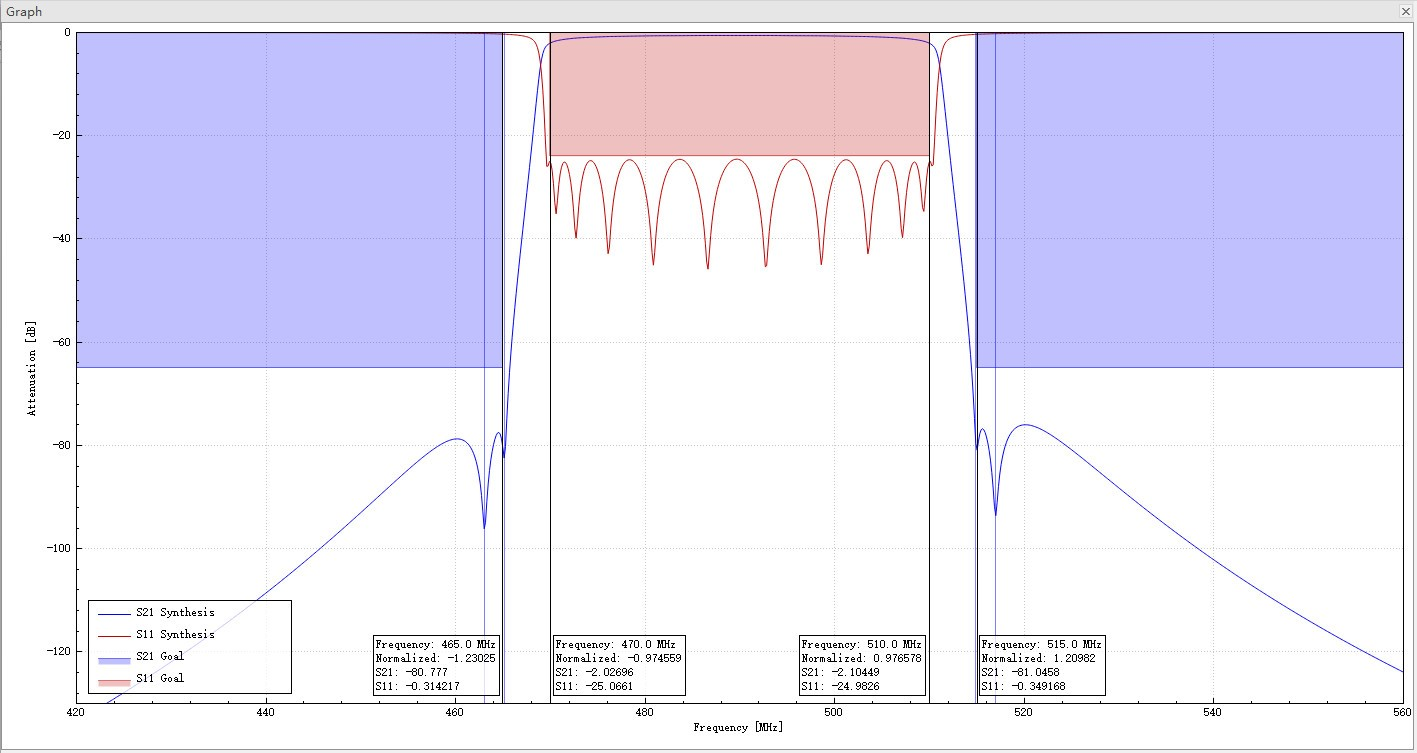 Figure 1: 470-510 MHz Frequency Response
BPF03 (863–870 MHz)
- LoRaWAN Region: EU868, RU864
BPF03 Electrical Specifications
| Parameter | Specification |
|---|---|
| Pass Band (MHz) | 863~870 |
| Insertion Loss (dB) | < 2.5 (863~870 MHz) |
| Stop Band Attenuation (dB) | > 70 (0~860 MHz) 70 (873~4000 MHz) |
| VSWR | < 1.25 |
| Input Power (W) | < 100 |
| Intermodulation Products (dBm) | < -150 (3rd order, with 2 x 37 dBm) |
| Operating Temperature (° C) | -40 to +65 |
| IP Rating | IP67 |
| Deployment Environment | Outdoor |
| Connector | N-Female |
BPF03 Mechanical Specifications
| Parameter | Specification |
|---|---|
| Filter Dimensions (H x W x D) (mm) | 228 x 164.6 x 51.5 (without connector, without mounting brackets) |
| Packing Dimensions (mm) | 450 x 325 x 190 (double unit) |
| Filter Weight (kg) | 1.5 |
BPF03 Typical Frequency Response
Figure 3 shows a typical 863-870 MHz frequency response curve. Actual results may vary with component and environmental factors.
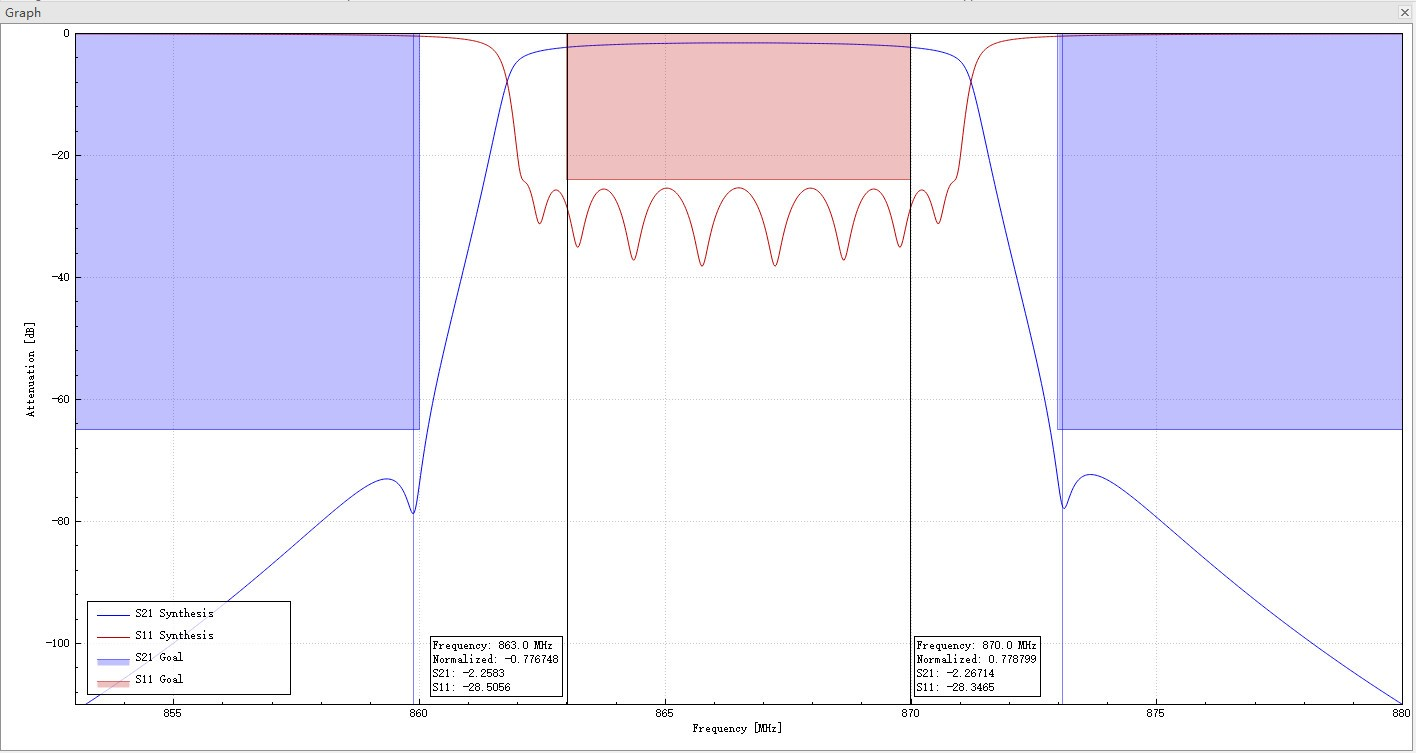 Figure 1: 863-870 MHz Frequency Response
BPF04 (865–867 MHz)
- LoRaWAN Region: IN865
BPF04 Electrical Specifications
| Parameter | Specification |
|---|---|
| Pass Band (MHz) | 865~867 |
| Insertion Loss (dB) | < 3.2 (865~867 MHz) |
| Stop Band Attenuation (dB) | > 80 (0~863 MHz) 80 (870~4000 MHz) |
| VSWR | < 1.25 |
| Input Power (W) | < 100 |
| Intermodulation Products (dBm) | < -150 (3rd order, with 2 x 37 dBm) |
| Operating Temperature (° C) | -40 to +65 |
| IP Rating | IP67 |
| Deployment Environment | Outdoor |
| Connector | N-Female |
BPF04 Mechanical Specifications
| Parameter | Specification |
|---|---|
| Filter Dimensions (H x W x D) (mm) | 250 x 170 x 55 (without connector, without mounting brackets) |
| Packing Dimensions (mm) | 450 x 325 x 190 (double unit) |
| Filter Weight (kg) | 3 |
BPF04 Typical Frequency Response
Figure 4 shows a typical 865-867 MHz frequency response curve. Actual results may vary with component and environmental factors.
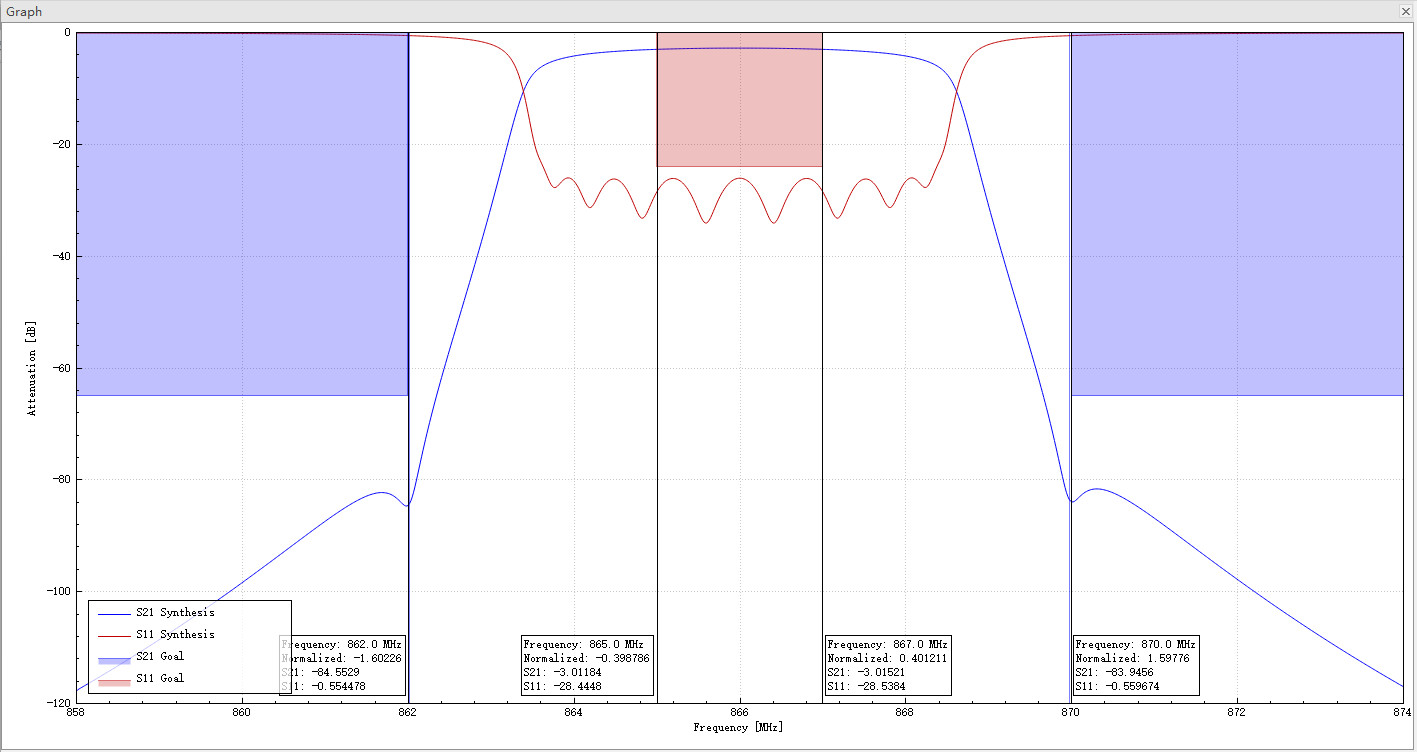 Figure 1: 865-867 MHz Frequency Response
BPF05 (902–928 MHz)
- LoRaWAN Region: US915
BPF05 Electrical Specifications
| Parameter | Specification |
|---|---|
| Pass Band (MHz) | 902~928 |
| Insertion Loss (dB) | < 2.0 (902~928 MHz) |
| Stop Band Attenuation (dB) | > 75 (0~889 MHz) 75 (931~4000 MHz) |
| VSWR | < 1.25 |
| Input Power (W) | < 100 |
| Intermodulation Products (dBm) | < -150 (3rd order, with 2 x 37 dBm) |
| Operating Temperature (° C) | -40 to +65 |
| IP Rating | IP67 |
| Deployment Environment | Outdoor |
| Connector | N-Female |
BPF05 Mechanical Specifications
| Parameter | Specification |
|---|---|
| Filter Dimensions (H x W x D) (mm) | 270 x 170 x 55 (without connector, without mounting brackets) |
| Packing Dimensions (mm) | 450 x 325 x 190 (double unit) |
| Filter Weight (kg) | 3 |
BPF05 Typical Frequency Response
Figure 5 shows a typical 902-928 MHz frequency response curve. Actual results may vary with component and environmental factors.
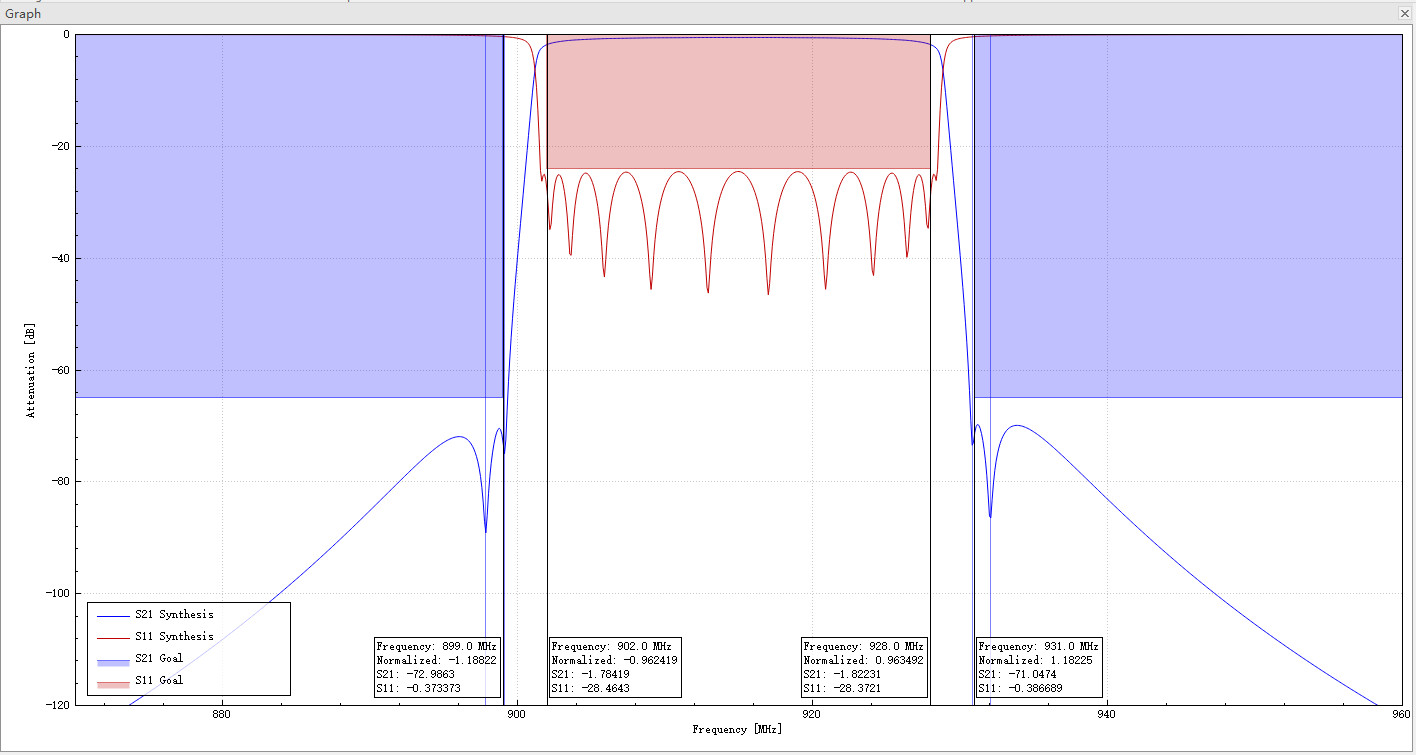 Figure 1: 902-928 MHz Frequency Response
BPF06 (915–921 MHz)
- LoRaWAN Region: AS923-3, AS923-4
BPF06 Electrical Specifications
| Parameter | Specification |
|---|---|
| Pass Band (MHz) | 915~921 |
| Insertion Loss (dB) | < 2.5 (915~921 MHz) |
| Stop Band Attenuation (dB) | > 75 (0~912 MHz) 75 (924~4000 MHz) |
| VSWR | < 1.25 |
| Input Power (W) | < 100 |
| Intermodulation Products (dBm) | < -150 (3rd order, with 2 x 37 dBm) |
| Operating Temperature (° C) | -40 to +65 |
| IP Rating | IP67 |
| Deployment Environment | Outdoor |
| Connector | N-Female |
BPF06 Mechanical Specifications
| Parameter | Specification |
|---|---|
| Filter Dimensions (H x W x D) (mm) | 250 x 170 x 55 (without connector, without mounting brackets) |
| Packing Dimensions (mm) | 450 x 325 x 190 (double unit) |
| Filter Weight (kg) | 3 |
BPF06 Typical Frequency Response
Figure 6 shows a typical 915-921 MHz frequency response curve. Actual results may vary with component and environmental factors.
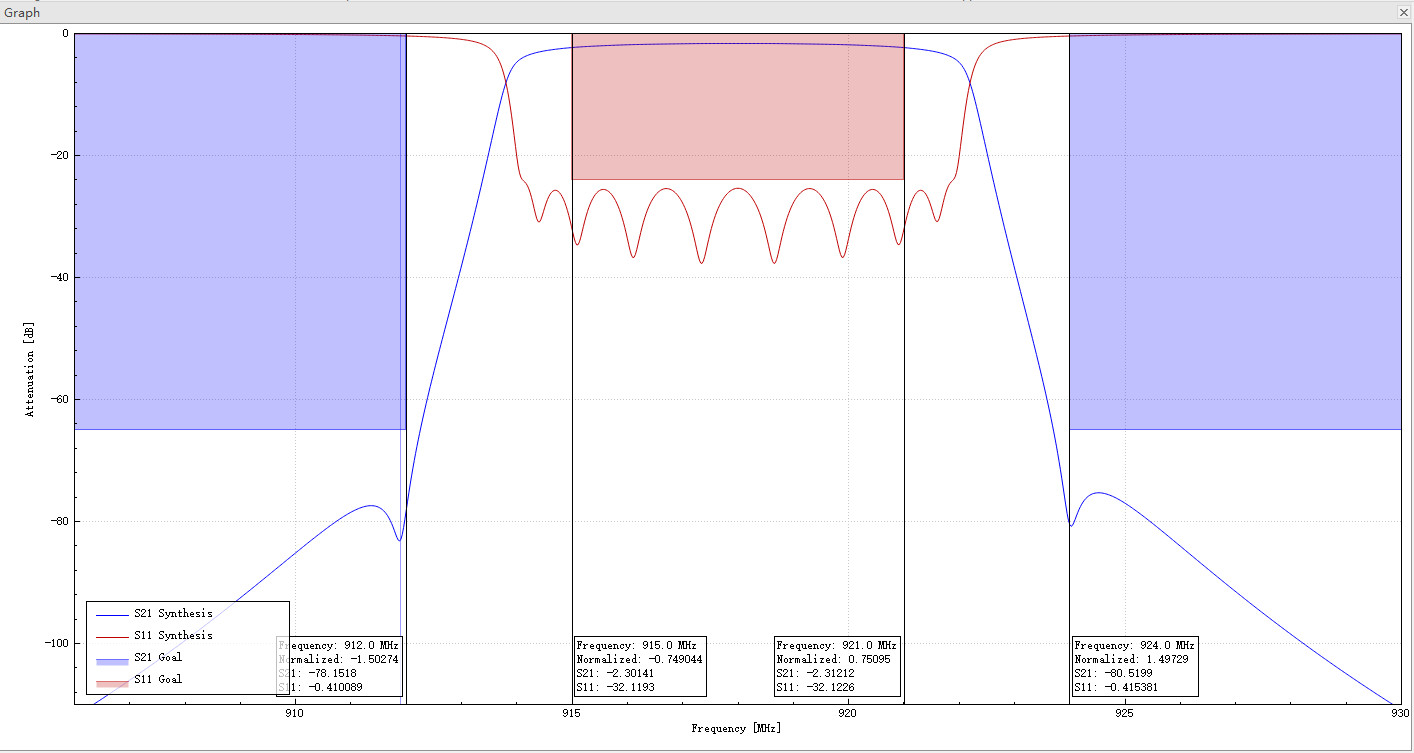 Figure 1: 915-921 MHz Frequency Response
BPF07 (915–928 MHz)
- LoRaWAN Region: AU915, AS923-1
BPF07 Electrical Specifications
| Parameter | Specification |
|---|---|
| Pass Band (MHz) | 915~928 |
| Insertion Loss (dB) | < 2.6 (915~928 MHz) |
| Stop Band Attenuation (dB) | > 75 (0~912 MHz) 75 (931~4000 MHz) |
| VSWR | < 1.25 |
| Input Power (W) | < 100 |
| Intermodulation Products (dBm) | < -150 (3rd order, with 2 x 37 dBm) |
| Operating Temperature (° C) | -40 to +65 |
| IP Rating | IP67 |
| Deployment Environment | Outdoor |
| Connector | N-Female |
BPF07 Mechanical Specifications
| Parameter | Specification |
|---|---|
| Filter Dimensions (H x W x D) (mm) | 250 x 170 x 55 (without connector, without mounting brackets) |
| Packing Dimensions (mm) | 450 x 325 x 190 (double unit) |
| Filter Weight (kg) | 3 |
BPF07 Typical Frequency Response
Figure 7 shows a typical 915-928 MHz frequency response curve. Actual results may vary with component and environmental factors.
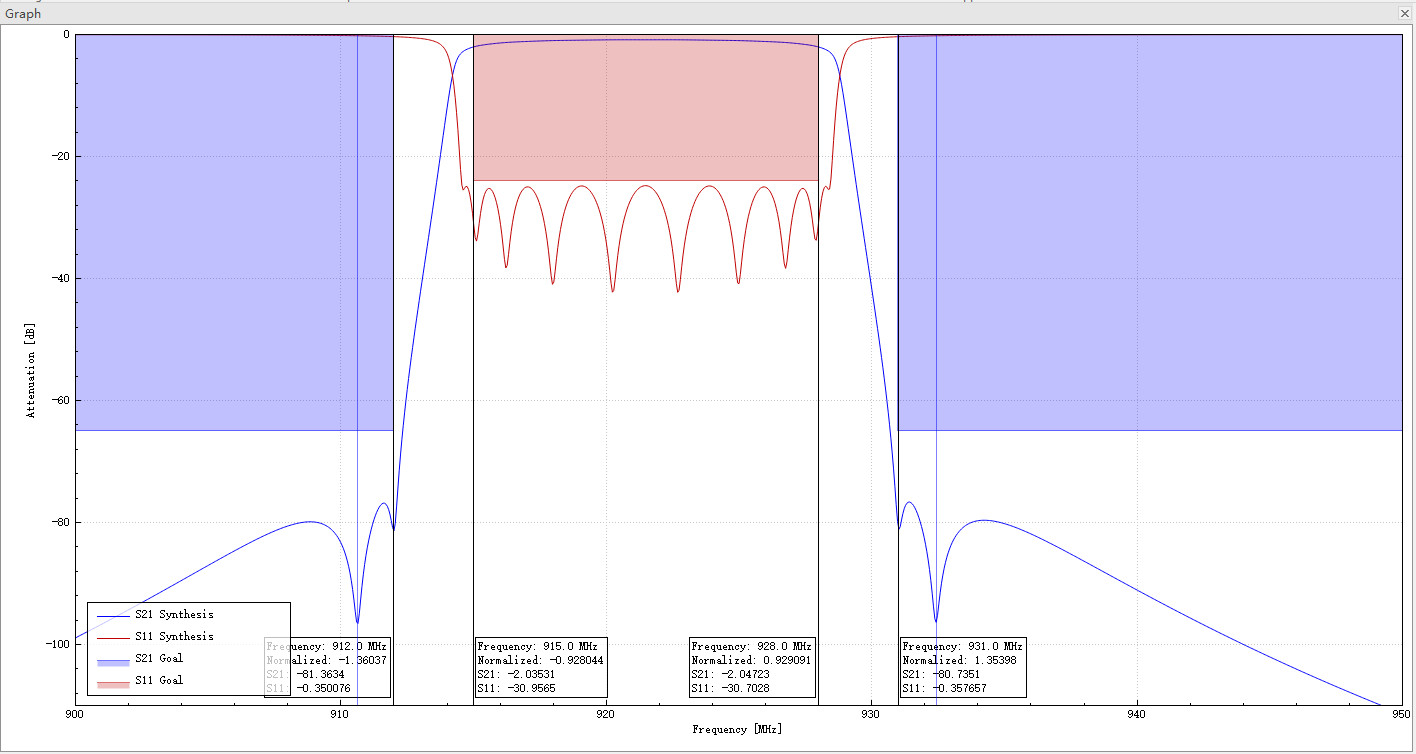 Figure 1: 915-928 MHz Frequency Response
BPF08 (920–925 MHz)
- LoRaWAN Region: AS923-2, KR920 (Hong Kong, Macao, Taiwan, Singapore, Thailand, etc.)
BPF08 Electrical Specifications
| Parameter | Specification |
|---|---|
| Pass Band (MHz) | 920~925 |
| Insertion Loss (dB) | < 2.85 (920~925 MHz) |
| Stop Band Attenuation (dB) | > 80 (0~917 MHz) 80 (928~4000 MHz) |
| VSWR | < 1.25 |
| Input Power (W) | < 100 |
| Intermodulation Products (dBm) | < -150 (3rd order, with 2 x 37 dBm) |
| Operating Temperature (° C) | -40 to +65 |
| IP Rating | IP67 |
| Deployment Environment | Outdoor |
| Connector | N-Female |
BPF08 Mechanical Specifications
| Parameter | Specification |
|---|---|
| Filter Dimensions (H x W x D) (mm) | 228 x 164.6 x 51.5 (without connector, without mounting brackets) |
| Packing Dimensions (mm) | 450 x 325 x 190 (double unit) |
| Filter Weight (kg) | 1.5 |
BPF08 Typical Frequency Response
Figure 8 shows a typical 920-925 MHz frequency response curve. Actual results may vary with component and environmental factors.
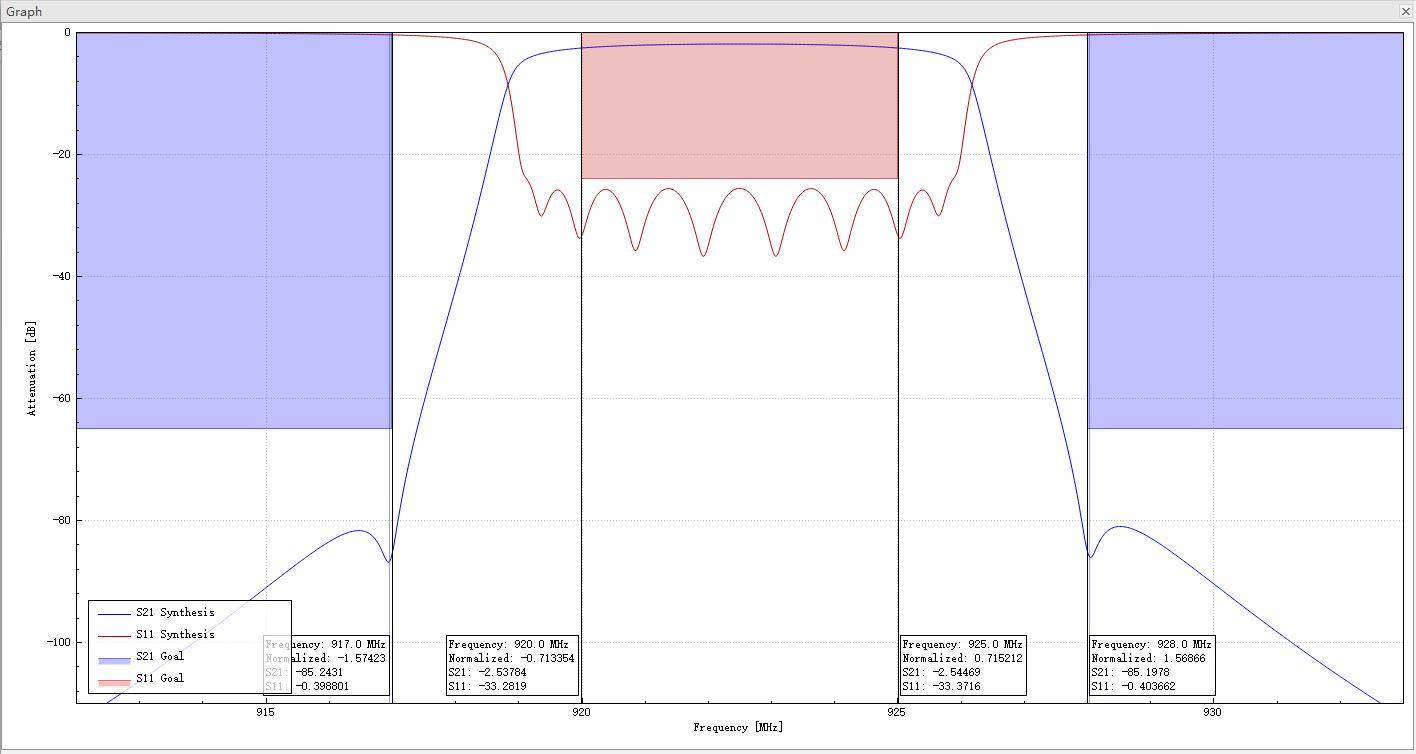 Figure 1: 920-925 MHz Frequency Response


